Common Thai Immigration Forms Explained (2026)
Working with Thai Immigration often means completing a number of official forms.
Whether you are entering Thailand, reporting your address every 90 days, or extending a visa, knowing which form to use is essential.
Below is the updated guide to the most common immigration forms for 2026
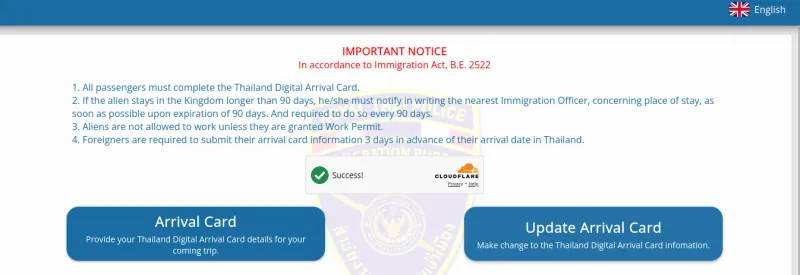
Thailand Digital Arrival Card (TDAC)
- What it is: The TDAC is the mandatory electronic replacement for the old paper TM6 card. It is used to submit entry information and a health declaration.
- Who needs it: All foreign nationals entering Thailand by air, land, or sea. This includes tourists, expats, and those with long-term visas (like the DTV or Retirement visa).
- Info you need:
- Passport and flight/travel details.
- Address of your first stay in Thailand.
- Health Declaration: Details of countries visited in the last 14 days and any current symptoms.
Tips: You must complete the TDAC online via the official portal within 72 hours before arrival.
The TDAC is free; avoid third-party sites that charge a fee.
Official Thai Arrival Card (TDAC) Site: https://tdac.immigration.go.th/arrival-card/
TM30 – Notification of Residence
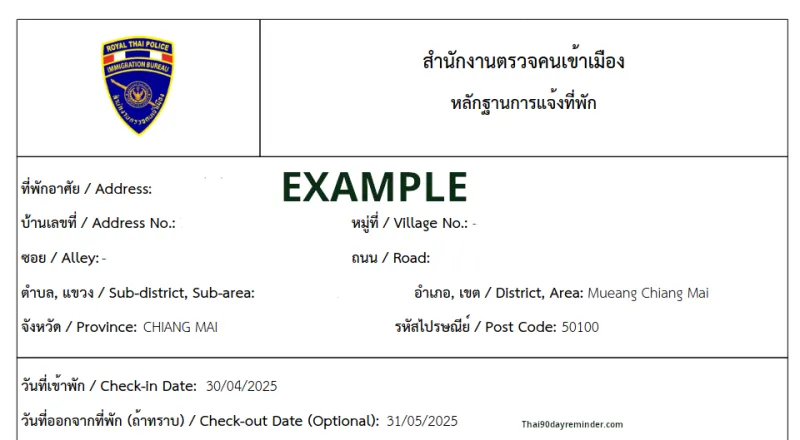
- What it is: This form notifies Immigration where you are staying. It is a legal requirement used to track the location of foreigners for security purposes.
- Who files it: Technically the landlord or hotel provider. However, you are responsible for ensuring it is done and keeping the receipt.
- Tips: A new TM30 must be filed every time you re-enter Thailand from abroad, even if you are returning to the same house. Most immigration offices now require a copy of the TM30 receipt before they will process any other paperwork (like visa extensions).
TM47 – 90-Day Report Form
- What it is: Confirms your current address if you stay in Thailand for more than 90 consecutive days.
- Who needs it: Long-term visa holders (Retirement, Marriage, Business, etc.) who have not left the country in the last 90 days.
- Documents needed:
- Passport (original and copies of the visa and entry stamps).
- Your TM30 receipt.
- Completed TM47 form.
- Tips: You can file this 15 days before or up to 7 days after your due date. If you leave Thailand, your 90-day clock resets to zero the day you return.
TM8 – Re-Entry Permit Form
- What it is: This "protects" your current visa. If you leave Thailand without a TM8, your long-term visa or extension is automatically cancelled
- Who needs it: Anyone on a long-term extension who plans to travel abroad and return.
- Fees: 1,000 THB for Single Entry; 3,800 THB for Multiple Entry.
- Documents Needed:
- Original Passport and signed photocopies of the bio page, current visa/extension stamp, and latest entry stamp.
- Completed TM8 form with one 4x6 cm photo attached.
- TM30 Receipt (mandatory at local offices; rarely checked at airports).
- Departure Details (at the airport, you may need to show your boarding pass).
- Tips:
- Local Immigration: Cheaper and more thorough. They will require a TM30 receipt.
- Airport Counters: Located after security but before passport control at Suvarnabhumi, Don Mueang and Chiang Mai. These are "emergency" counters are more flexible regarding TM30 documentation but may charge an additional 200 THB "service fee."
TM7 – Visa Extension Form
- What it is: Used to extend your "Permit to Stay" beyond its original expiry date.
- Cost: 1,900 THB.
- Documents needed: Passport, TM7 form, a 4x6 cm photo, and supporting docs (bank statements, marriage certificate, etc., depending on visa type)
- Tips: Arrive early; most offices allow applications up to 30 days before your current permit expires.
Tips for Handling Thai Immigration Forms
- Use black or blue pen for all handwritten forms.
- Write clearly and legibly; illegible forms may be rejected.
- Double-check all dates and numbers to match your passport and prior submissions.
- Sign every page of photocopies if required.
- Bring all supporting documents and keep copies for yourself.
- Plan submissions around holidays to avoid office closures.
Final Thoughts
Understanding the purpose and requirements of each Thai Immigration form greatly simplifies understanding the Thai Immigration system and what is expected from you. While the Immigration system can seem complex and intimidating, the quicker you understand the in's and outs the easier it will be for you long term.